
Deborah Barker, et al. v. Joe N. Bennett – A prescriptive easement is properly asserted when the easement holder shows adverse use, a claim of right, exclusivity, and knowledge of the owner.
In 2013, Joe Bennett filed suit, asking that the trial court declare that he had established a prescriptive easement over the roadway leading to Bennett’s property.
The trial court found that the roadway leading to Bennett’s property was the only means of ingress and egress from Bennett’s property to a public road. The Bennett family had owned the property that was served by the roadway since in 1974 and had used the roadway continuously since that time. In 2005, Donald Barker purchased property adjacent to Bennett’s. Barker’s property lay on both sides of the roadway. Sometime thereafter, Barker closed the roadway and placed gates across it, which blocked Bennett’s access to his property. The trial court ordered that Bennett had an easement by prescription for ingress and egress along the roadway across Barker’s property, arising from Bennett’s open, continuous, uninterrupted, and hostile utilization of the roadway for more than twenty years.
The defendants appealed to the Alabama Court of Civil Appeals, arguing that the trial court exceeded its discretion in determining that Bennett had established the elements for a prescriptive easement, in the matter of Deborah Barker, et al. v. Joe N. Bennett [Ms. 2150501], — So.3d — (Ala.Civ.App. Sept. 23, 2016).
Adverse Use.
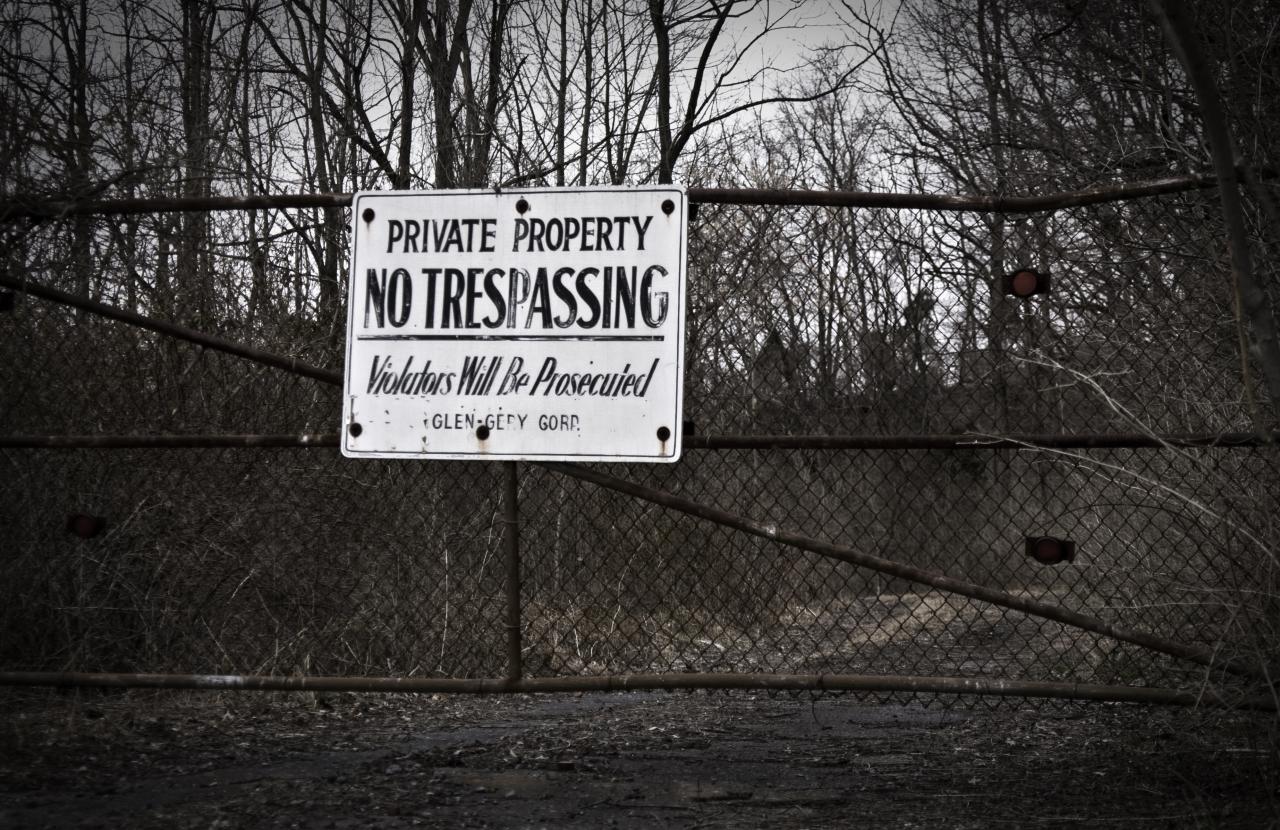
The defendants argued that there was a presumption that Bennett had permission to use the roadway and that Bennett had failed to show his usage was adverse to the defendants. See Osborn v. Champion Int’l Corp., 892 So.2d 882, 887 (Ala. 2004). However, the evidence was that the Bennetts had used the roadway for more than twenty years without express permission, despite posted signs warning against trespassing on the roadway. As such, the appellate court found that the trial court did not exceed its discretion in finding that Bennett had overcome the presumption of permissive use.
Claim of Right.
The defendants argued that Bennett’s conduct showed he was not using their property under a claim of right and that his use was not hostile. The Supreme Court of Alabama has previously held, however, that a person claiming a prescriptive easement who had used a roadway despite a gate being erected evidenced that the person was using the roadway under a claim of right. Bull v. Salsman, 435 So.2d 27, 30 (Ala. 1983). Evidence in this case was the Bennett used the roadway in the face of warning signs against trespassing, which provided evidence that Bennett was using the roadway under a claim of right.
Exclusivity.
The defendants argued that because others used the roadway, Bennett’s use was not exclusive. The exclusivity element requires a showing not that a person is the only one entitled to use the roadway, but that his claim of right is independent of any other person’s use of it. Belcher v. Belcher, 224 So.2d 613, 615 (Ala. 1969). The Bennetts’ usage of the roadway in violation of warning signs and including cutting back brush that impeded their way was sufficient to establish their claim or right was independent of any other’s.
Knowledge of Owner.
The defendants argued that the Bennetts failed to assert dominion or control over the roadway so as to put the defendants on notice of the Bennetts’ claim. Alabama has established that a person claiming a prescriptive easement must show that he has used the property with actual or presumptive knowledge of the property’s owner. Bull, 435 So.2d at 29. Based on the facts identified above, there was sufficient evidence to impute at least presumptive knowledge to the defendants of Bennett’s claim.
Because the Alabama Court of Civil Appeals found that the trial court had not abused its discretion in finding that Bennett had met his burden in proving each of the elements of his claim, there was no error in assigning a prescriptive easement to Bennett.
Photo by Mike Hoff.